Bolt Torquing Services in KSA, tightened to a calculated load
Bolt Torquing KSA sends field bolting crews to refineries, gas plants, petrochemical complexes, power stations and pipelines across the Kingdom. We work out the bolt load each joint needs, tighten it in a controlled pattern with calibrated hydraulic tools, and hand you a record you can file with your QA team.
- Torque and tension values calculated for your bolt, gasket and lubricant
- Calibrated hydraulic wrenches, tensioners and pumps on every job
- Crews for shutdowns, single critical joints and emergency leaks
Why the order matters
Studs are tightened in a cross pattern over several passes, so the gasket compresses evenly instead of tilting.
What good bolt torquing actually delivers
A flange does not seal because its nuts are tight. It seals because every stud is carrying close to the same, correct preload, and that preload squeezes the gasket hard enough to stop the process fluid without crushing it. Get the load wrong, or apply it unevenly, and the joint will weep at start-up, relax after a few thermal cycles, or blow out under upset conditions.
Our bolt torquing services in KSA are built around that one goal: the right load, evenly applied, and proven on paper. Before tightening we confirm flange rating, stud grade, gasket type and the lubricant that will be used, because each one changes the torque needed to reach the target stress. On site we prepare and inspect every fastener, tighten in a set pattern over multiple passes, and verify the final values before the joint is tagged.
Where a joint is large, high-pressure or hard to reach with a wrench, we switch to hydraulic bolt tensioning, which stretches the stud directly and takes thread friction out of the result. Many turnarounds use both methods side by side, and our supervisors will tell you which one each joint on your list should get, and why. When a joint has to be opened first, our pipe cold cutting and flange facing crews prepare it, and hydrotesting proves it before start-up.
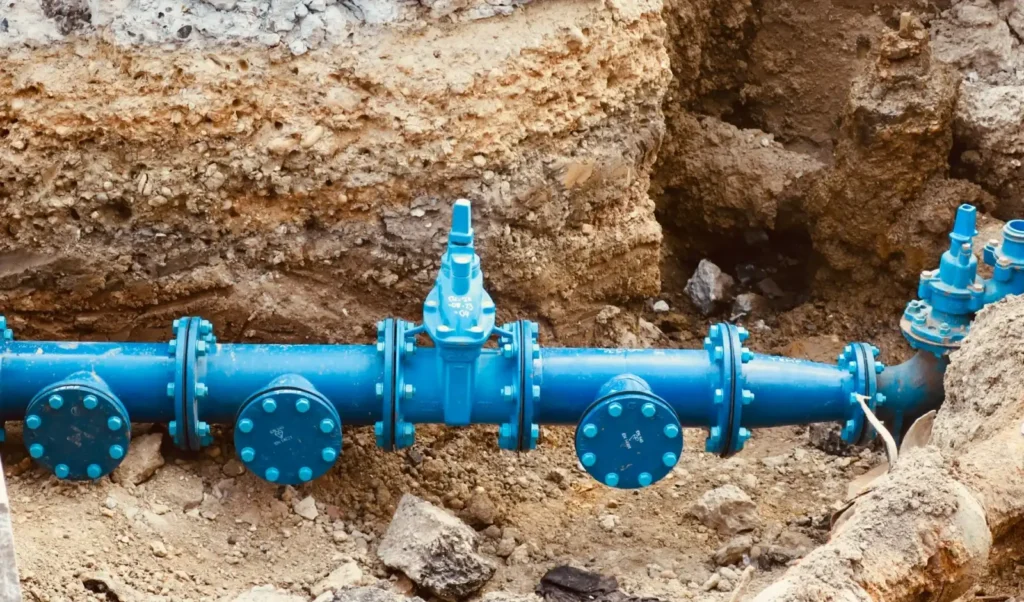
Bolt torquing services we carry out across the Kingdom
Each of these is planned around a calculated bolt load, done with calibrated equipment and closed out with a joint record.
Process flange torquing
Pipe-to-pipe and pipe-to-equipment flanges from small bore up to large diameter, tightened in a cross pattern with square-drive or low-profile hydraulic wrenches.
Hydraulic stud tensioning
Single and multi-tool tensioning for high-pressure, large-diameter and critical joints, where even load across every stud matters most.
Heat exchanger and vessel joints
Channel covers, shell flanges, floating heads and manways, including joints with tight access or stud counts above forty.
Valve and rotating equipment
Bonnets, body joints, pump casings and compressor flanges, matched to the manufacturer torque figures where they apply.
Structural and foundation bolts
Anchor bolts, tower and steel-structure connections, and baseplates for equipment on new-build and expansion projects.
Seized fastener removal
Hydraulic nut splitters and controlled break-out for corroded nuts, so flanges are opened without damaging the studs or faces.
One crew from cut-out to start-up
Bolting is usually one step in a longer job. These services are handled by the same team, so there is one schedule and one point of contact.
Pipe Cold Cutting Services in KSA
Spark-free clamshell and split-frame cutting and bevelling for live plants where hot work is not allowed.
View pipe cold cuttingFlange Facing Services in KSA
On-site machining that restores flange sealing faces to the right finish and flatness, without removing the pipe.
View flange facingNitrogen Purging Services in KSA
Inerting, oxygen-free purging, drying and nitrogen leak testing before start-up or after maintenance.
View nitrogen purgingHydrotest Services in KSA
Hydrostatic pressure testing of piping, vessels and spools with calibrated pumps, gauges and recorders.
View hydrotestTorquing, tensioning or manual: how we decide
There is no single best method. The joint design, bolt size, access and how critical the service is decide which tool reaches the target load most reliably.
| Method | How the load is created | What controls accuracy | Best suited to |
|---|---|---|---|
| Hydraulic torque wrench | The nut is turned against thread and face friction until a set torque is reached. | Friction, so lubricant choice and thread condition must be controlled. | Most process flanges, exchangers, valves and structural joints. |
| Hydraulic bolt tensioner | The stud is stretched directly by a hydraulic load cell, then the nut is run down. | Stud stretch and load transfer, largely independent of friction. | Large diameter, high-pressure and critical-service joints, often tensioned several studs at once. |
| Pneumatic torque multiplier | An air-driven gearbox multiplies input torque for continuous rotation. | Calibration of the tool and air supply stability. | High bolt counts during shutdowns and in fabrication shops. |
| Manual torque wrench | A calibrated hand wrench applies torque to smaller fasteners. | Operator technique and wrench calibration. | Small-bore piping, instrumentation and independent checks. |
Turnaround bolting, planned joint by joint
The same six steps apply whether you hand us one exchanger or a register of eight hundred flanges.
Build the joint register
We list every joint in scope with its tag, size, class, stud data and gasket, so nothing is tightened from memory.
Calculate the target load
Target stud stress is converted to torque or tensioner pressure for each joint and sent to your engineers for approval.
Allocate tools and crews
Wrench sizes, tensioner models and crew numbers are matched to the register and the shutdown schedule.
Prepare and inspect
Studs and nuts are cleaned, checked and lubricated, flange faces inspected and alignment confirmed before the new gasket goes in.
Tighten and verify
Joints are brought up in passes in a cross pattern, then checked at the final value until the nuts no longer turn.
Tag and hand over
Each joint is tagged and its record, with tool calibration references, goes into a close-out dossier for your QA team.
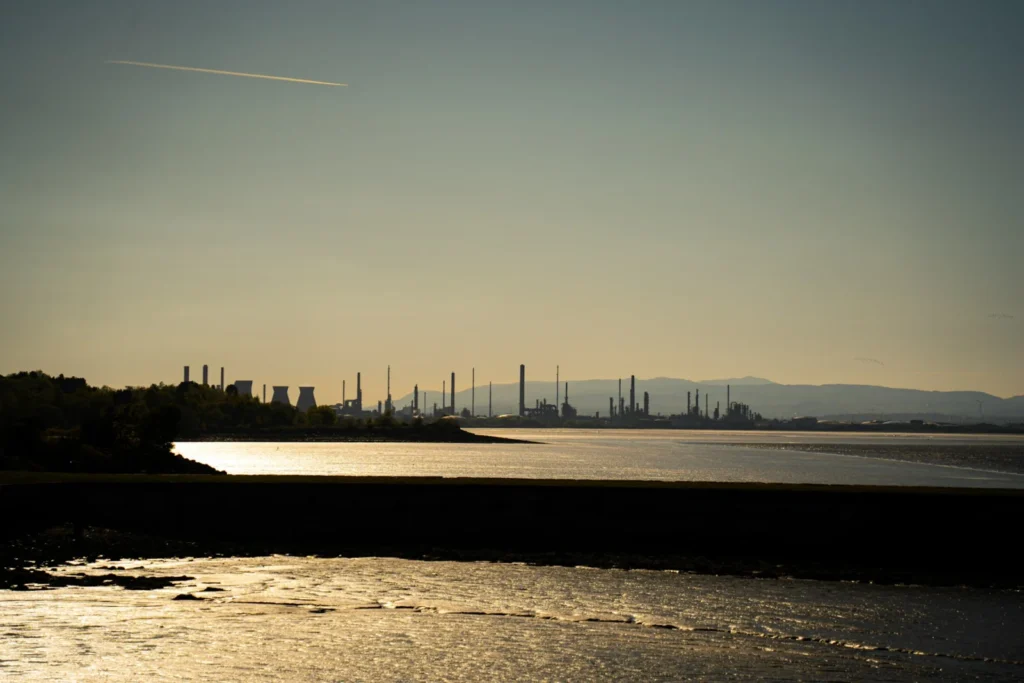
Where our bolting crews work
Live plants, planned turnarounds and new-build projects where a leaking joint means lost production or a safety incident.

Refineries
Crude, hydrotreater and reformer units, fired heater and exchanger joints during scheduled turnarounds.
Petrochemical complexes
Reactor, column and piping flanges in polymer, olefins and aromatics plants.
Gas processing
Inlet, sweetening and fractionation trains where high pressure makes tensioning the default.
Power and desalination
Turbine casings, boiler feed lines, seawater intakes and pump flanges in utility plants.
Pipelines and terminals
Mainline flanges, pig launchers and receivers, metering skids and tank connections.
EPC and fabrication
Pre-commissioning bolting, hydrotest blinds and structural connections for contractors.
Common bolted-joint failures, and what usually causes them
If one of these sounds familiar, the fix is rarely just more torque. Here is what we look for first.
Flange leaks at start-up
Usually uneven preload or a gasket seated on a damaged face. We check the face finish and re-tighten in a proper pattern with a new gasket.
Leaks after thermal cycling
Bolt load relaxed because the starting preload was too low. Recalculating the target stress and adding a check pass normally cures it.
Studs stretching or snapping
Overload from guesswork torque or the wrong lubricant factor. We verify the material grade and work to a calculated value.
Crushed or extruded gasket
Too much stress for the gasket type, often on low-class flanges. The target load is set to the gasket maker limits.
Galled threads
Dry or contaminated threads on stainless studs. Cleaning, inspection and the right anti-seize prevent a repeat.
Nuts that will not move
Corrosion and seized threads. Splitting the nut is safer than heat, and protects the stud and flange.
Bolt torquing across all regions of Saudi Arabia
Our base is in the Eastern Province and our crews travel with their tools to any plant in the Kingdom. Choose a location for local details.
Eastern Province
Central Region
Western Region
Questions about bolt torquing services in KSA
How do you work out the right torque for a flange?
We start from a target bolt stress suited to the gasket and flange rating, then convert it to torque using the stud diameter, thread pitch and the friction factor of the lubricant you will use. The values are issued to your engineers for approval before work starts.
When should a joint be tensioned instead of torqued?
Tensioning is usually chosen for large studs, high-pressure or high-temperature service, joints with many studs that must be loaded evenly, and places where a wrench cannot fit. Torquing remains the practical choice for most standard process flanges.
Do you follow ASME PCC-1?
Our assembly and tightening procedures follow the guidance in ASME PCC-1. Where your company or the EPC contractor has its own bolting specification, we work to that document instead.
Can you supply the gaskets and studs?
We can source studs, nuts and gaskets to your specification if you need us to, or install the materials you supply. Either way the grades are checked before installation and recorded on the joint record.
How quickly can a crew reach our site?
Eastern Province sites can often be reached the same day. Central and Western Region plants usually need a day for travel and tool transport. Call us with the location and joint details and we will confirm a mobilization time.
What paperwork do we get at the end?
Every joint gets a physical tag and a written record showing method, target and final values, passes, tool serial and calibration references, date and technician. Records are bundled into a close-out dossier for the job.
Tell us about the joints and the window
Send the joint list, a drawing or simply a photo of the flange and its nameplate. A bolting supervisor will reply with a method, a crew size and a price, usually within one working day.
- Phone+966 50 605 8927
- Emailalviqaisar@gmail.com
- BaseEastern Province, Kingdom of Saudi Arabia
- HoursOffice Sunday to Thursday, 7 AM to 5 PM. Field call-outs any day, any hour.